Why Do Promoters Still Schedule Sets Against the Body Clock?
Late set times, club culture, and industry norms create a perfect storm where DJs often play against their natural circadian rhythms. Despite advances in understanding shift work and the science of human biological clocks, promoters routinely schedule artists to perform during hours that conflict with their body's internal timekeeping. Why does this disconnect persist, and what can we glean from touring insights and shift work research to make sense of this enduring pattern?
Understanding the Circadian Rhythm and Light Cues
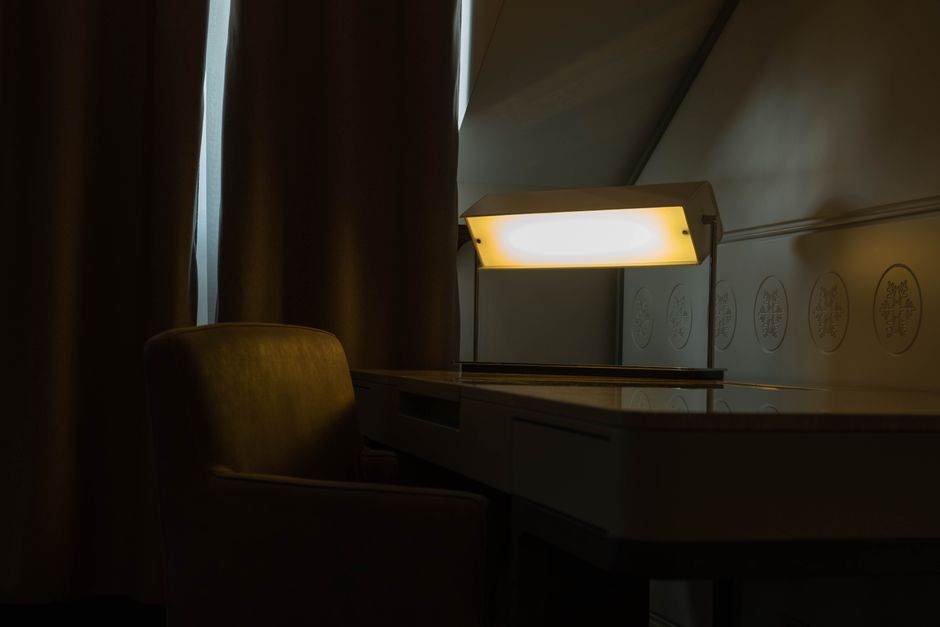
The human circadian rhythm is an internal 24-hour clock governing sleep-wake cycles, hormone release, and body temperature, all tightly regulated by exposure to natural light. Light cues, especially in the morning, serve as a powerful zeitgeber, or time-giver, synchronizing our biological clocks to the Earth's day-night cycle.
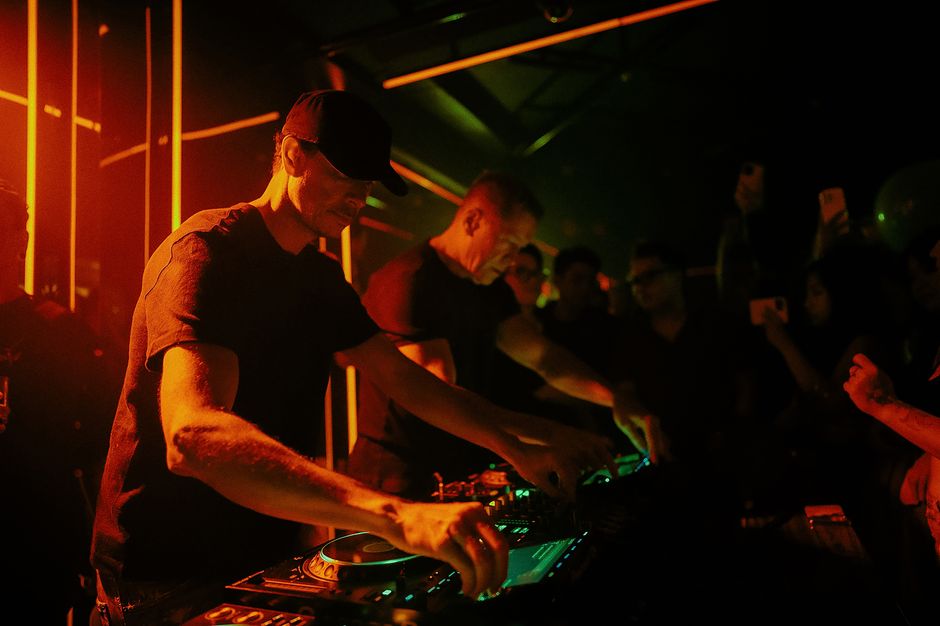
For most people, peak alertness and cognitive function align with daylight hours, while the body naturally favors rest in the late night or early morning. This rhythm poses a fundamental challenge for DJs and electronic music performers whose peak slots often fall in late night or early morning—when the body is biologically primed to wind down.
Body Clock vs Club Culture
Nightlife thrives when most people are biologically winding down. Club culture glorifies late set times—for instance, prime headliner slots starting around 2–4 AM—because the social rhythm of clubbing peaks in these hours. The late-night crowd is usually at its fullest, and the energy highest, which feeds into a cyclical industry norm.
However, for the performers, this is a high-demand window that clashes with the circadian low points for most humans. Execute an engaging, focused set at 4 AM when your body naturally wants to sleep? That's a challenge often underestimated by promoters but very real for the artists traveling with their load of flight cases, USB sticks, and the resilience their gear demands.
Shift Work Research Applied to DJs
In occupational health, extensive research on shift work highlights the physical and cognitive toll of working hours that misalign with the circadian clock. Nurses, factory workers, and emergency responders experience fatigue, impaired performance, and long-term health effects when working overnight shifts.
Applying this to DJs and live electronic artists who perform late sets paints a similar picture. While not always considered shift workers in the traditional sense, their earplugs for club djs workflow resembles night-shift hours:
- Wake times often come late afternoon or early evening. Unlike a 9-to-5, these artists’ biological days start just as most people wind down.
- Performing intense mental and physical work in circadian troughs. Mixing, reading crowds, and maintaining energy under bright club lights poses a physical and cognitive burden at these times.
- Irregular schedules and crossing time zones. Touring artists confront disrupted sleep patterns and jet lag, further challenging circadian stability.
Much of the biomedical literature suggests that aligning work schedules closer to natural circadian phases improves performance and mental health. However, DJs and performers often lack the luxury of such predictability.
The DJ Workflow: USB Sticks and Flight Cases
Maintaining a reliable workflow is critical for DJs in the face of erratic schedules. A typical touring DJ’s flight case is more than just gear storage; it represents https://smoothdecorator.com/what-does-iarc-say-about-circadian-disruption-and-shift-work/ well-honed habits, trusted equipment, and a sanctuary of consistency amid unpredictable hours.
USB sticks loaded with carefully organized playlists, cue points, and effects settings serve as a digital lifeline. DJs rely on familiar setups to reduce cognitive load during late-night sets when fatigue threatens focus and technical flaws become costly. The physical and digital tools of the trade intertwine to mitigate some—but never all—of the circadian disadvantage.
Schedule Flipping and Weekend Touring
Weekend gigs intensify the paradox of night culture scheduling. Promoters and clubs curate lineups to build momentum through the night, peaking with late set times for headliners. This approach has historic roots but often disregards how the continuous late hours impact the performers’ well-being and output quality:
- Friday night opening slots may start at 10 PM or later. Artists waking up late afternoon face a narrow buffer before the first performance.
- Saturday and Sunday often push set times even later. This encourages audiences to stay later but compresses recovery windows for performers.
- Back-to-back weekend shows create cumulative fatigue. Sleep debt and circadian misalignment build, impacting everything from technical precision to crowd engagement.
Repeated cycle flipping—performing late night gigs, sleeping through the day, and traveling overnight—mimics the worst elements of shift work without the systemic supports typical in other industries.
Time Zones and Routing Tradeoffs
Touring logistics compound circadian challenges. Routing decisions rarely prioritize sleep health. Instead, promoters balance financial realities, venue availability, and audience demand, sometimes scheduling flights or rides that maximize the number of shows over a short period—but wreak havoc on circadian stability.
Time zone shifts add jet lag to an already disrupted sleep-wake cycle. Even a one-hour shift can tip an artist’s biological clock out of sync. Crossing multiple time zones in rapid succession makes circadian adjustment nearly impossible without strategic interventions.
Touring Factor Impact on Circadian Rhythm Typical DJ/Promoter Approach Potential Mitigation Late set times (2-4 AM) Misalignment with natural sleep phase Accept as industry norm; schedule headliners here Reconsider lineups; earlier prime sets Weekend back-to-back shows Accumulation of sleep debt; circadian disruption Maximize gigs per weekend; minimal recovery Allow buffer days; stagger schedules Rapid time zone changes Jet lag and extended circadian misalignment Routing for market demand, not body clock Schedule rest days; use light therapy Travel logistics Interrupted sleep, fragmented rest periods Travel overnight; risk fatigue Prioritize daytime travel; hotel blackout curtainsWhy Do Promoters Persist in Scheduling Against the Body Clock?
Given what we know, why have promoters not embraced circadian-friendly scheduling? Several key factors explain the industry’s inertia:
- Economic and Social Demand: Clubbers expect peak dancefloor energy late at night; moving headliners earlier risks ticket sales and audience satisfaction.
- Cultural Traditions: Nightlife norms are built on decades of entrenched practice; breaking these habits requires coordinated industry-wide changes.
- Complex Logistics: Routing decisions, venue availability, and artist availability impose constraints that outweigh individual biological considerations.
- Lack of Awareness or Priority: While shift work research is robust, its translation to DJ scheduling remains minimal; wellness initiatives often focus on diet or supplements rather than timing.
What Can Be Done?
Shifting the paradigm demands a multi-pronged approach, combining promoter education, artist advocacy, and backstage innovations:
- Flexible Set Times: Experiment with earlier headline slots in city pockets where local culture supports it.
- Optimal Routing: Integrate circadian principles into tour planning—prioritize gradual time zone steps and adequate recovery.
- Technical Support: Use the flight case as a mobile sanctuary, ensuring trusted tools reduce cognitive load and technical mishaps during circadian lows.
- Environmental Control: Invest in quality blackout curtains at hotels and tailored light exposure protocols around travel.
- Industry-wide Awareness: Promote shift work education among promoters, managers, and artists to foster empathy and pragmatic scheduling discussions.
Conclusion
Late set times and club culture are deeply embedded industry norms that place DJs and electronic performers at odds with their circadian rhythms. While the gig economy of nightlife thrives on nocturnal energy, scientific insights from shift work research reveal the significant human cost of this norm.
Though the USB sticks in a DJ’s flight case provide workflow consistency, they cannot fully compensate for chronobiological misalignment. For a healthier, more sustainable scene, promoters and artists must collaboratively rethink scheduling philosophies—balancing economic imperatives with the realities of human biology. Only then can the industry truly energize its nights without burning out its talent.