What Does CBDA and THCA Mean on a CBD COA?
If you’re diving into the world of CBD products, you’ve probably come across terms like CBDA and THCA on a Certificate of Analysis (COA). Understanding these acid cannabinoids and their neutral counterparts is crucial for safe, informed supplement use—especially if you want to decode what your CBD oil or tincture actually contains. In this blog post, we’ll break down the essentials of COAs, explain why COA basics matter, and walk you through batch verification, potency units, and the significance of acid vs neutral cannabinoid measurements. We’ll also naturally highlight some trusted companies like Joy Organics, USDA Organic, and NSF that prioritize transparency in testing.
Understanding the Basics of a COA
A Certificate of Analysis (COA) is a laboratory report produced from independent third-party testing that confirms what’s really inside your CBD product. COAs provide critical data on cannabinoid potency, contaminant screening, terpene profiles, and more. They’re your best defense against mislabeled products and hidden surprises.
A solid COA will include:
- Batch Number and Manufacturing Date: Specific identifiers to confirm your product’s exact test batch
- Potency Results: Quantities of key cannabinoids listed in milligrams per serving
- Testing Methodology: Typically chromatography-based measurements
- Contaminant Screening: Pesticides, heavy metals, solvents, and microbial content
- Certifications: Sometimes endorsed by third-party organizations like USDA Organic or NSF to further validate quality
Tip: Always ask to see the actual bottle or carton of your CBD product to confirm the batch number printed matches what’s listed on the COA. Many reputable companies include a QR code batch lookup on packaging for instant verification.
Why Batch Number and Date Matching Matter
One of my bedside quirks as a medication reconciliation lead is to double-check that the COA batch number exactly matches the batch number on what the patient actually brought in. Without matching batch numbers, the COA info might not apply—and that’s a red flag.
Most trusted brands, like Joy Organics, print the batch number clearly on the product’s carton or label. They often pair this with a QR code that links to the COA online, letting you quickly verify the exact batch’s test results. This level of transparency is a hallmark of quality.
Additionally, note the manufacturing and expiration dates on your product. Cannabinoid potency can degrade over time, especially when exposed to heat or sunlight. Checking the date alongside the COA ensures you are reviewing the most relevant and reliable data.
Potency Units and Serving Size Explained
Potency on a COA is usually reported as milligrams (mg) per gram (g) or per milliliter (mL), depending on your product’s form. It’s important to compare these numbers to the serving size stated on your product label. For example, if a tincture dropper holds 1 mL, and the COA notes 15 mg CBD/mL, then a full dropper contains about 15 mg of CBD.
Measurement Type Unit Example Potency (CBD, CBDA, etc.) mg per gram or mg per mL 20 mg CBD/mL Serving Size mL, drops, capsules 1 mL per dropper, 2 capsules per doseOn COAs, it’s common to see potency reported separately for each cannabinoid, such as CBD, CBDA, THC, and THCA. Understanding the difference between acid cannabinoids (CBDA & THCA) and neutral cannabinoids (CBD & THC) is crucial to interpreting these numbers.
Acid Cannabinoids vs Neutral Cannabinoids: What’s the Difference?
On raw hemp and cannabis plants, cannabinoids naturally exist in their acidic forms—CBDA (cannabidiolic acid) and THCA (tetrahydrocannabinolic acid). These acid cannabinoids are non-psychoactive and often thought to have unique therapeutic properties.
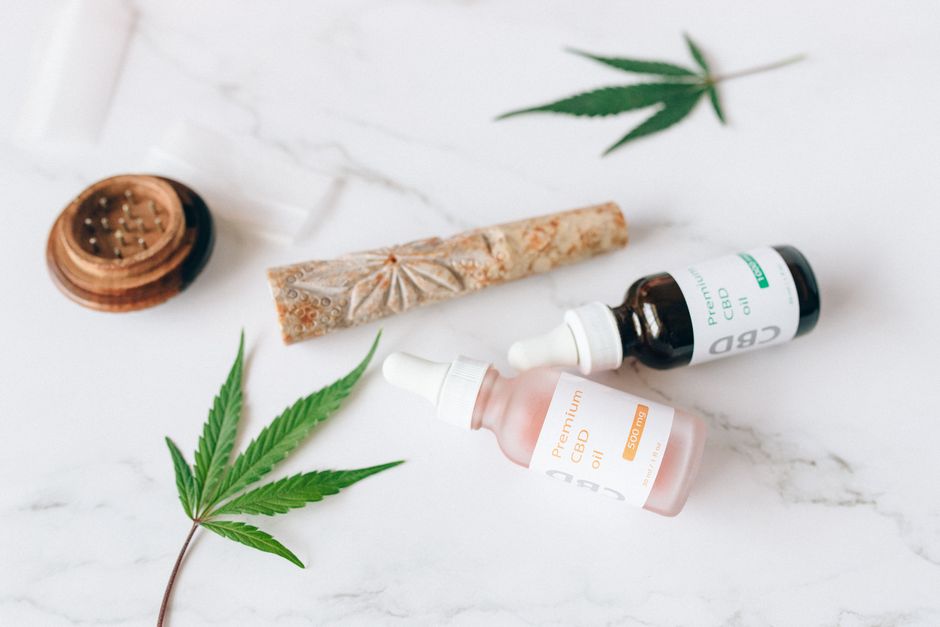
When hemp is heated or decarboxylated—a process that involves applying heat—the acid groups are removed, converting CBDA into CBD and THCA into THC. This conversion changes the cannabinoid from its acidic form into a neutral form that is more bioavailable and, in the case of THC, psychoactive.
- CBDA & THCA: Acid forms, non-intoxicating
- CBD & THC: Neutral forms, CBD is non-intoxicating, THC is psychoactive
The COA will often report the amounts of both acid and neutral cannabinoids because it measures the actual chemical content present at the time of testing. Some COAs also provide a "total potential" THC or CBD value. This number estimates the amount of neutral cannabinoid that would be present if all acid cannabinoids decarboxylated (usually calculated by multiplying acid cannabinoid content by 0.877, the molecular weight conversion factor, then adding neutral cannabinoid content).
Why Total Calculations Matter
Total cannabinoid calculations help consumers and clinicians estimate the overall potential effect of the product. For example, a COA might say:
- CBDA: 150 mg/g
- CBD: 10 mg/g
- Total CBD potential: (150 mg/g × 0.877) + 10 mg/g = approximately 141 mg/g effective CBD when heated
Knowing these numbers clarifies how much active CBD you might actually receive, especially if you plan to vaporize or cook your product where decarboxylation occurs.
Spotting Red Flags in COAs
As a nurse who routinely reviews supplements patients bring in, I’ve developed a mental checklist for COAs. Watch out for:
- Missing batch numbers or batch numbers that don’t match your product
- COAs stating only “CBD oil” with no breakdown of acid vs neutral cannabinoids
- Results without numerical values or "pass/fail" language only (e.g., no potency quantifications)
- Lack of contaminant screening, especially for pesticides or heavy metals
- COAs with no certifying lab or unclear methodology
Reputable companies like Joy Organics stand out because they consistently provide detailed, easy-to-verify COAs with batch numbers and QR code lookup. Certifications by USDA Organic or NSF also signal commitment to rigorous standards.
In Summary: How to Use CBDA and THCA Info on Your COA
- Confirm batch number and dates: Always cross-check the batch number printed on your product’s carton or bottle with the COA.
- Understand acid vs neutral cannabinoids: CBDA and THCA are raw, acidic forms; CBD and THC are neutral forms created with heat.
- Check potency units and serving size: Use mg per mL or gram data alongside your product’s serving info to calculate your actual dose.
- Look for total potential cannabinoid calculations: These provide a picture of the active compounds after decarboxylation.
- Use QR codes when available: Scan batch lookup QR codes on trusted brand products like Joy Organics to easily verify your COA online.
- Watch for red flags: Missing batch numbers, vague cannabinoid info, or pass/fail test panels mean you should think twice before trusting that product.
Trusted Brands and Certifications to Look For
When selecting CBD products, especially for adults managing chronic nursekey.com conditions in primary care or cardiology settings, consider brands that emphasize quality and transparency. Here are some industry leaders and certifications that matter:
- Joy Organics: Known for high-quality, broad-spectrum CBD with rigorous third-party testing and transparent batch verification via QR codes.
- USDA Organic: Certification that the hemp and production meet strict organic agriculture standards, limiting pesticides and synthetic additives.
- NSF International: Nonprofit organization ensuring products meet public health and safety standards—look for NSF certified supplements for extra peace of mind.
Products bearing these credentials often come with reliable, detailed COAs reflecting true cannabinoid profiles—including CBDA, THCA, and their neutral counterparts.
Final Thoughts
Reading your CBD product’s COA is not just about numbers—it’s about ensuring safety, efficacy, and informed choices. As a nurse who reviews supplements daily and trains clinicians, I can’t stress enough the importance of understanding what CBDA and THCA mean on your COA. These acid cannabinoids reveal the raw cannabinoid content and help you anticipate how your product will behave once decarboxylated.
Next time you pick up a CBD oil, always ask to see the actual bottle and accompanying COA. Check for batch number matches, scrutinize acid vs neutral cannabinoid levels, and confirm potency units align with your serving size. Use QR codes, trust certifications like USDA Organic and NSF, and favor companies like Joy Organics that prioritize transparency. Your health deserves nothing less.
If you found this guide helpful, share it with your healthcare team or fellow patients so everyone can make safer, smarter choices with CBD supplements.
