Is It Normal to Have Back Pain Just from Standing in the Terraces?
If you’re a dedicated football supporter, you know those thrilling match days—hours on your feet, singing your lungs out, and bouncing up and down in the terraces. But what about the less glamorous side: that nagging lower back pain or stiffness that creeps in as the game goes on? Is it normal? What’s really going on underneath, and how should you deal with it without just being told to “rest” or “tough it out”? Let’s dive into what causes this common complaint, why football culture often makes it worse, and practical tips to keep your back solid for the long haul.
Why Does Back Pain from Standing in the Terraces Happen?
Standing for long periods on hard, uneven surfaces—like concrete terraces—places significant strain on your lower back. But it’s more complicated than just “standing too long”. Here’s what’s often at play:
1. Imperfect Healing & Tissue Adaptations
If you’ve had previous strains, sprains, or injuries in your back or hips that never fully healed, the tissues might be weaker or stiffer. Repeated stress from standing and standing up can cause tiny microtears or irritate already sensitive areas. Those repairs don’t always get back to 100%, so with each match, the pain creeps up.
2. Cumulative Loading
Cumulative loading means you’re essentially “stacking” stresses day after day. Maybe you’re on your feet at work, then standing in the terraces for a few hours, maybe a long train trip with awkward postures. All that combined load slowly wears on joints, discs, and muscles.
3. Central Sensitisation
A tricky one but important: when pain hangs about long-term, your nervous system - not just your back tissues - gets hypersensitive. That means your brain is on high alert, amplifying pain signals even when the original injury has settled down. This can make even standing feel like torture without a fresh injury being the cause.
Football Culture & The Stigma Around Reporting Pain
Here’s where it gets personal. I’ve spent years around football—a world where toughness is king. Players, staff, and supporters alike often shrug off pain or feel shame about mentioning it. You’re “just a supporter,” so people expect you to stand for hours without a moan. It’s the same as footballers who get told to “man up” or that pain is a badge of honour.
But ignoring pain doesn’t make it go away. It often leads to worse long-term problems like:
- Osteoarthritis - where joints wear down over time.
- Persistent pain syndromes - that sap your enjoyment of life and sport.
- Reduced mobility - making standing at games (or walking up the stairs to the terrace) miserable.
Noticing pain and acting on it isn’t weakness—it’s smart. And the UK Anti-Doping (UKAD) website, while focused on drugs in sport, has useful guidance on how medical cannabis can be prescribed legally as part of a private clinic pathway for managing chronic pain, though it isn’t a first line or quick fix option. More on that later.
What Changed in the Last Six Weeks?
Before rushing into treatment or blaming the terraces, ask yourself: “What changed recently?”
- Did your standing at games increase? Longer matches, extra time, or cup runs?
- Have you changed footwear or posture?
- Have you picked up another injury in daily life or training?
- Has stress, weight gain, or general fitness dipped?
Identifying what’s new or different can quickly point to the culprit. Pain isn’t random—it always has a trigger.
Supporter Back Pain Tips: What You Can Do Right Now
Here’s the practical part: those long hours best pain clinic UK standing in the terraces don’t have to mean a stiff, aching lower back come full-time. Follow these simple, no-nonsense tips that you can stick to:
- Warm-up before the game
Even 5-10 minutes of gentle movement loosens up your back and hips, reducing stiffness. Try some leg swings, hip circles, or gentle walking.
- Take micro-breaks
When possible, sit down, stretch gently, or shift your weight between feet every 20-30 minutes. This cuts down on sustained static loading.
- Invest in proper footwear
Good arch support and cushioned soles absorb terrace shocks better. Avoid hard soles or flip-flops if you want to protect your spine.
- Stay hydrated and maintain nutrition
Hydrated tissues cope better with strain. Don’t skip meals or hydration during game day.
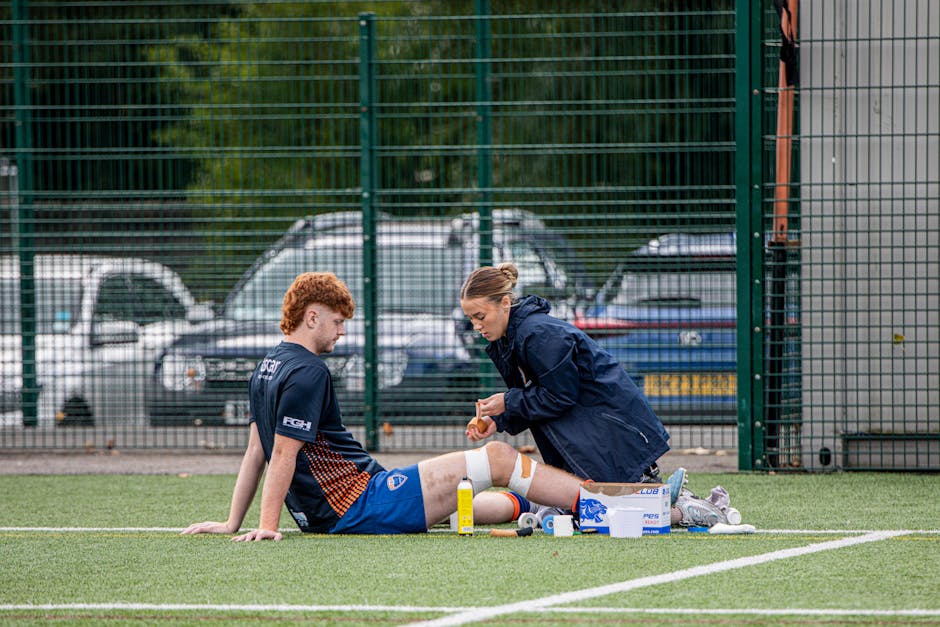
- Active rehab: graded exercise & strengthening
Strengthening your core muscles—those around your stomach and lower back—acts like a natural brace. Add gentle back extensions, planks, and glute bridges to your routine one step at a time. Gradually increase intensity to avoid flare-ups.
- Use supportive gear strategically
A simple lumbar support belt can ease stiffness during long standing spells but don’t rely on it all day, or your muscles might weaken further.
The Role of Medical Cannabis in Managing Chronic Back Pain
Chronic lower back pain isn’t always about damaged tissues; sometimes it’s about long-term nervous system changes that no amount of stretching will fix. In these cases, some patients explore medical cannabis as part of their pain management plan through private clinics.

Aspect What to Know UKAD Stance Medical cannabis is generally not allowed in professional sport unless there is a Therapeutic Use Exemption. Supporters aren’t restricted but must use legally prescribed products. Private Clinic Pathway Patients can access medical cannabis legally via private clinics after thorough assessment. It’s considered when other treatments have failed or are unsuitable. Effectiveness Some report symptom relief in persistent pain; effects vary. It’s not a "fix" — more a tool in a wider rehab toolkit. Risks & Side Effects Potential dizziness, sedation, or dependency. Supervised medical use is essential.
For more on medical cannabis and legality in sport, check out the UKAD official guidance.
When to Seek Professional Help
If your back pain persists beyond a few weeks despite these measures, or if you notice neurological symptoms like numbness, weakness, or bowel/bladder changes, it’s crucial to see a healthcare professional. A musculoskeletal physio or sports medicine doctor can guide you through tailored rehab plans and discuss medication options—including whether medical cannabis, accessed through private clinics, might be appropriate for your case.
Summary: Is Back Pain Just From Standing Normal?
- Back stiffness or lower back pain just from standing in the terraces is common, but not something you have to accept as “normal” or unavoidable.
- It’s usually caused by a mix of imperfect healing, strain from repeated loading, and sometimes nervous system sensitisation.
- Football culture can make pain worse by discouraging open discussion or early treatment.
- Active rehab—graded exercise and strengthening—together with simple match day strategies can help manage and reduce pain.
- Medical cannabis may have a role in chronic cases but requires proper medical supervision through private clinics.
Don’t let supporter back pain bench you for the season. Listen to your body, be proactive, and get the right advice—because backing your team should never mean backing off your own health.