How Do I Know If My Tiredness Is From Poor Sleep or Just Getting Older?
Ever find yourself yawning through the day and wondering, “Is this just part of getting older, or am I dealing with poor sleep?” You’re not alone. As we age, sleep patterns change, but persistent daytime fatigue isn’t something you just have to accept. In this post, we'll unpack the key differences between natural age-related tiredness and problematic sleep issues — helping you recognize when it’s time to take action.
What Changes in Sleep as We Get Older?
First, let’s clear up a common misconception: tiredness isn’t simply part of aging. Although your sleep architecture shifts, the quality and restorative potential of your sleep still matter a great deal.
Deep Sleep Declines With Age
Deep sleep — sometimes called slow-wave or “restorative” sleep — is a crucial phase when your body repairs tissues, consolidates memories, and regulates hormones. Studies show that deep sleep declines as we age, often starting after our 40s or 50s.
- Less deep sleep means feeling less refreshed in the morning.
- Lighter sleep stages increase, making your sleep easier to interrupt.
Have you noticed waking up more often through the night? Or feeling like you're not sleeping as soundly? These may be signs of lighter sleep impacting your restfulness.
Circadian Rhythm Shifts Earlier After Age 50
The body’s internal clock — our circadian rhythm — controls sleep and wake cycles. After the age of 50, it tends to shift earlier, meaning:
- You're naturally sleepy earlier in the evening.
- You wake up earlier in the morning, often before your alarm.
Think of it like your internal clock running a little ahead. This is why some older adults find themselves up with the sunrise while struggling to stay awake late at night.
When Is Tiredness a Sign of Poor Sleep?
Not all fatigue is from “just getting older.” If you’re nodding off during the day, struggling to focus, or feeling exhausted despite going to bed early, these could be red flags for underlying sleep issues.
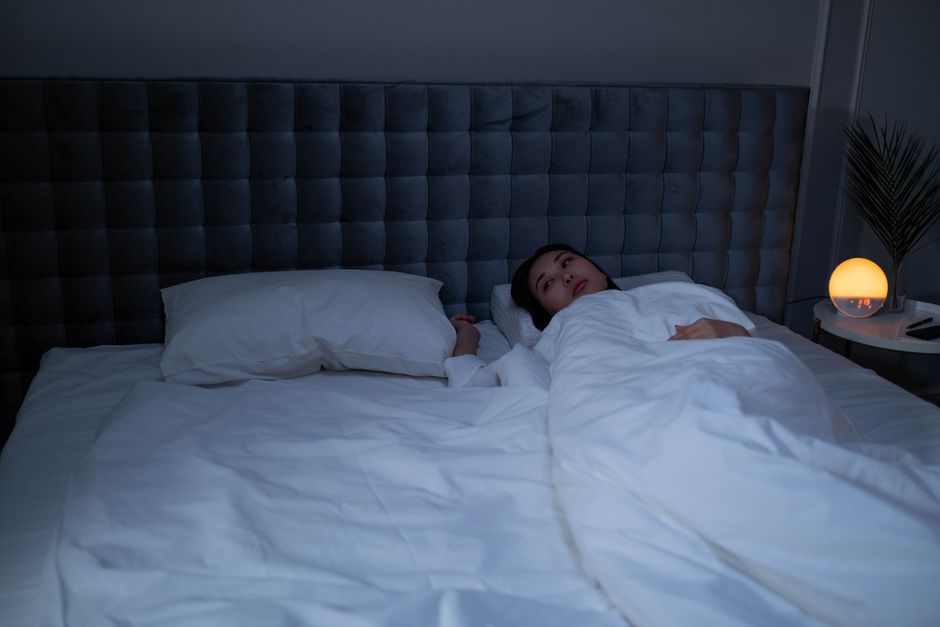
Daytime Fatigue Is Not Normal
Here's what kills me: many people write off daytime tiredness as inevitable, but it isn’t. Persistent daytime fatigue could indicate that your sleep isn’t truly restful — even if you "spent enough time in bed."
What about daytime napping? Occasional naps can be healthy, but if you’re reliant on long or frequent naps, it might be masking poor nighttime sleep quality.
Consider Sleep Apnea Screening
Sleep apnea is a common but often undiagnosed condition where breathing temporarily stops during sleep. It leads to fragmented, non-restorative sleep and daytime Visit website sleepiness.
Ask yourself or a loved one:
- Do you snore loudly or choke/gasp during sleep?
- Do you feel tired, even after “enough” sleep?
- Do you have morning headaches or dry mouth?
If yes, it’s wise to talk to your healthcare provider about sleep apnea screening. Treatment can vastly improve your energy and quality of life.
Medication Side Effects Can Contribute
Before you blame aging alone, check your medicine cabinet. Many medications — especially those for blood pressure, anxiety, and allergies — can cause drowsiness or disrupt sleep structure.
What time do you take it? Meds taken at night might make you groggier in the morning, or some taken in the morning can cause fatigue later in the day. Discuss medication timing and possible side effects with your provider or pharmacist.
Morning Light: A Natural, Free Boost for Your Internal Clock
One of the best tools for combating age-related changes in sleep is morning light. Just like plants need sunlight to thrive, your brain uses morning light cues to set the circadian rhythm.
How Morning Light Helps
- Resets your internal clock to an earlier time.
- Increases alertness and mood during the day.
- Improves nighttime sleep quality.
No fancy gadgets needed here — catch 15 to 30 minutes of natural sunlight each morning. For example, enjoy your coffee on the porch, facing the rising sun. Even on cloudy days, outdoor light is brighter than most indoor lights.
Sleep Aisle Traps to Watch Out For
Here’s a quick sticky note list of common “sleep aisle traps” you might find in pharmacies — and why they aren’t always the answer:
- High-dose melatonin: Not “stronger is better.” Lower doses better mimic natural melatonin spikes.
- Nightly sedating meds without review: Risk of falls and tolerance buildup, especially in older adults.
- Over-the-counter “sleep aids” with antihistamines: Can cause grogginess and daytime confusion.
Always ask, https://bizzmarkblog.com/what-should-i-do-before-spending-money-in-the-sleep-aisle/ “ What time do I take this?” and consult your healthcare professional before starting new sleep remedies.
Summary Table: Age-Related Sleep Changes vs. Poor Sleep Warning Signs
Aspect Normal Age-Related Change Warning Sign for Poor Sleep Deep Sleep Declines gradually with age Very light or interrupted sleep, frequent awakenings Circadian Rhythm Shifts earlier (earlier bedtime and wake time) Daytime sleepiness, naps, inability to stay awake Daytime Fatigue Generally no significant fatigue if sleep quality is good Persistent tiredness affecting daily function Snoring/Apnea Symptoms May increase with age but often unnoticed Loud snoring, choking episodes, morning headaches Medication Side Effects May affect sleep depending on drug and timing New or worsening drowsiness after starting medsTakeaways and Next Steps
- Monitor your tiredness: Is it occasional or persistent? Are naps frequent or necessary?
- Evaluate your sleep environment: Dark, cool, and quiet spaces support quality sleep.
- Use morning light: Spend time outside each morning for free circadian support.
- Speak up about symptoms: Especially if you snore, gasp, or feel continually fatigued.
- Review medications: Ask your pharmacist, “What time do I take it?” and discuss side effects.
- Consider professional sleep evaluation: Sleep apnea screening might be needed.
Remember, tiredness isn’t something you just have to “live with” as you age. Many sleep issues are treatable, and better rest can improve your quality of life considerably.
Share This Post With Family & Friends
If you found this helpful, pass it on! Sharing helps others recognize if their tiredness is normal aging or something that needs attention.
- Share on Facebook
- Share on Twitter
- Share on WhatsApp
- Share via SMS
- Share via Email
Connect & Follow Experts & Peers in Sleep Health
Explore recommended accounts and communities to stay updated about sleep tips and healthy aging.
Wishing you brighter mornings and restful nights,

Your local health reporter & former community pharmacy tech