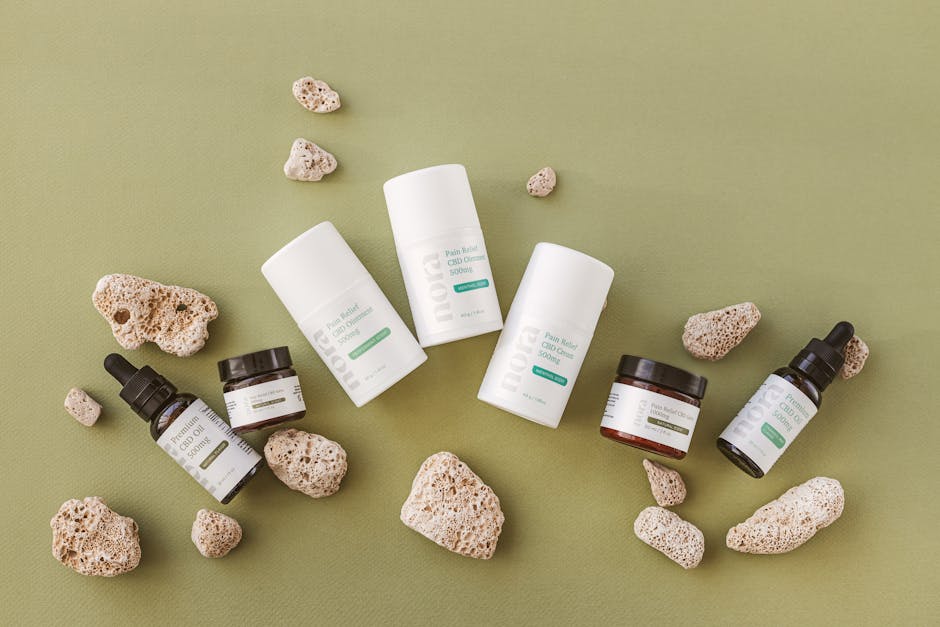
CBD Cream vs Balm: Which Holds Up Better in Humidity?
If you’re an expat or long-stay traveler in the Yucatán—or anywhere else where the humidity makes linen sheets irredeemably limp and your hair defies gravity—you’ve likely wondered how topical products like CBD creams and balms survive this sweaty climate. Here in Mérida, where I’ve spent seven years testing and layering my skin care routines against relentless tropical heat, I’ve learned that the difference between a product melting off your skin and one that actually delivers relief starts with understanding texture stability in the tropics.
This post will unpack the key differences between CBD creams and balms, focusing on their formulation bases—especially wax base softening in heat—and how you can optimize application in a humid environment. Along the way, you’ll find insights on cool-down and dry-off routines before topical application, important layering order with sunscreen and insect repellent, and why DEET interactions with oils and plastics deserve more attention. We'll organically mention trusted brands like Joy Organics, Yucatan Magazine, and Yucatan Studio, who provide fantastic topical products and advice for the region.
Why Humidity Challenges Topical Applications
Humidity dramatically influences how your skin interacts with anything you put on it. Unlike dry climates where skin can quickly absorb creams and balms, humidity means your skin is almost always a bit wet or clammy, even if you just stepped out of an air-conditioned room. Applying topicals to wet skin can create problems:
- Reduced absorption: Water repels oils and waxes, so when your skin surface is moist, much of the active ingredients simply slide off.
- Sticky residue: Topicals mix with sweat and water to form an unappealing sticky film rather than a smooth layer.
- Faster product breakdown: Heat combined with moisture softens wax bases and oil structures, causing some balms to melt or lose their intended texture rapidly.
This is why developing a cool-down and dry-off routine before application is essential for anyone living or traveling in the tropics—and it’s not as complicated as it sounds.
CBD Cream vs Balm: Ingredients and Texture Stability in the Tropics
Feature CBD Cream CBD Balm Typical Base Water and oil emulsion (lighter texture) Wax-based (usually beeswax or plant wax), oil-rich and thick Wax Base Soft in Heat? No wax, so more stable but prone to oil separation Yes, wax base softens and can become sticky or melt Oil-Based Topical Transfer Lower oil content; less transfer but more evaporation Higher oil content; more transfer onto fabrics or skin Texture Stability in Tropics Can separate if exposed to high heat and moisture Can melt easily but forms a more resilient barrier when cool Ideal Usage Daytime, light protection when skin is dry Nighttime or after drying off, to lock in moistureHow Wax Base Softens in Heat:
Most balms rely on a wax base—usually beeswax or a plant-derived alternative—to bind oils and active cannabinoids into a solid or semi-solid form. However, in tropical heat, this wax softens, sometimes to the point of liquefying. This is a double-edged sword:
- Pros: Once applied after your skin has cooled and dried, the softened balm spreads easily and builds a protective oil barrier that can lock in moisture.
- Cons: Container leakage and increased oily transfer onto clothes and linens; balancing act to avoid greasy look or product wastage.
Best Practices: Application in High Humidity
1. Timing Matters: Cool Down and Dry Off
After spending time outdoors in Mérida’s infamous humidity or stepping out of an afternoon shower, don’t rush to apply your CBD topicals. Instead, implement a cool-down and dry-off period of at least 10 to 15 minutes. This allows sweat and surface moisture to evaporate, giving your skin a better chance to absorb the product instead of repelling it.
Fans and natural breezes are your friends here. Consider these tips:
- Pat skin gently with a soft linen towel—avoid rubbing, which irritates skin and can invite breakouts.
- Use a small, gentle fan (yes, I time everything by fan minutes!) to fully dry application areas.
- Check your skin under natural light to make sure it’s no longer glistening with moisture.
2. Layering Order: Sunscreen, CBD, and Insect Repellent
Humidity doesn’t just challenge your moisturizing routine; it complicates sunscreen and insect repellent layering. Here’s a solid, practical order to get the most out of each product without creating chemical or physical interference:
- First: Apply your broad-spectrum sunscreen (preferably mineral-based to avoid questionable chemical claims) on thoroughly dry skin.
- Second: After sunscreen absorbs (about 20 minutes), apply your CBD cream or balm once skin is no longer tacky or damp.
- Third: Finish with insect repellent if needed, especially if it contains DEET.
This sequence helps each product work optimally, especially important since applying oils and waxes before sunscreen can reduce the sunscreen's protective efficiency.
3. Beware DEET Interactions with Oils and Plastics
DEET, the gold standard in insect repellents, is notorious for interacting poorly with oils and some plastics:
- It can degrade plastic packaging, so always store DEET-containing repellents separately from oil-based balms and creams.
- It may diminish the efficacy and texture stability of products containing oils, including certain CBD balms.
- Avoid mixing DEET directly with your CBD topical to prevent unexpected reactions or decreased effectiveness.
When layering, it’s best to allow your balm or cream to fully absorb before applying DEET-containing insect repellent. Or even better, apply a physical repellent like one with IR3535 or picaridin to avoid undermining your CBD topical routine.
Brand Spotlight: Trusted CBD Products Tailored for Humid Climates
Many brands don’t craft their formulations with steamy climates in mind, but some are more practical and transparent:
- Joy Organics: They offer water-based CBD creams formulated to absorb quickly, reducing oily residue and improving stability in high humidity. Their product lids close tightly—something I, personally, always scrutinize in humid environments.
- Yucatan Magazine: While primarily a lifestyle and travel publication, they have featured product reviews and interviews with local firms that understand the Yucatán climate’s challenges, recommending layering and cool-down techniques that I’ve verified over the years.
- Yucatan Studio: This local company manufactures some amazing plant-based balms and creams that balance wax base resilience with tropical heat. Their formulations use less heavy beeswax and more tropical plant waxes designed to hold texture even under prolonged sunlight and humidity exposure.
Quick Tips: How to Keep Your CBD Topicals Effective in the Yucatán Heat
- Always store your creams and balms in a cool, shaded place—not in direct sunlight or in a hot car.
- Close product lids tightly immediately after use to prevent moisture intrusion and breakdown.
- Avoid applying products directly after washing or exercise without allowing skin to fully dry.
- If a balm feels too soft or oily in your hands before applying, pop it briefly in the fridge for 10 minutes to restore firmness.
- Use cotton or linen clothing instead of synthetics to minimize topical product transfer and irritation.
Conclusion: Which Wins in Humidity—CBD Cream or Balm?
Deciding between CBD cream vs balm for a humid environment comes down to your skin type, preferred usage time, and how much TLC you're willing to give your routine. Creams, with their water-oil emulsions, often fare better during the day when skin moisture is inevitable and you want a lighter application. They tend to be less greasy, absorb faster, and avoid the wax base softening problem.
Balms, on the other hand, shine as nighttime or post-shower treatments when your skin is completely dry, allowing their wax-based barrier to seal in hydration without rapid melting. Their richer texture can withstand the Yucatán heat if you’re mindful about cooling and storage. But be prepared for more oil-based topical camphor topical in heat transfer and potential mess.
Ultimately, the key to success with either product lies less in the product itself and more in the method of application—especially your cool-down and dry-off routines, proper layering with sunscreen and repellents, and respecting the quirks of tropical humidity. As Yucatan Magazine and Yucatan Studio continuously remind us, adaptation is the key to tropical living.

Remember too that vague wellness claims rarely help here; it’s all about tested texture stability in the heat. When you combine well-formulated products like those from Joy Organics with smart application timing, you’ll keep both your skin and your favorite creams and balms happy—no meltdown required.