Can You Have a Strong Purpose and Still Have Poor Healthspan?
In a world obsessed with longevity and wellness, the idea that having a strong purpose in life might guarantee a healthier, longer life is comforting—and oft-repeated. But what if purpose alone isn’t enough to protect you from chronic diseases? What if the realities of medical science reveal limits to how much purpose can influence your health? Today, we dive into these questions, separating hopeful claims from balanced expectations and exploring the widening gap between healthspan and lifespan.
Understanding Healthspan vs. Lifespan
Before diving deeper, it’s important to clarify two terms often used interchangeably but which mean very different things:
- Lifespan refers to the total number of years a person lives. It’s a countdown—from birth to death.
- Healthspan describes the portion of life spent in good health, free from chronic diseases and disabilities that limit everyday activities.
Think of lifespan as how long your battery lasts, while healthspan reflects how long your battery works at full capacity. Medical Daily (MedicalDaily.com) recently highlighted how medical advancements have extended lifespans worldwide, but many people are living longer with chronic illnesses rather than enjoying those additional https://smoothdecorator.com/marc-kielburger-harvard-graduate-rhodes-scholar-and-member-of-the-order-of-canada/ years in good health.
The Widening Gap: Why is Healthspan Lagging?
Data from public health studies show that although life expectancy has risen steadily, healthspan hasn’t kept up. We are living longer, yes, but many of those extra years come with increased risks of:

- Heart disease
- Type 2 diabetes
- Arthritis
- Alzheimer’s disease and other dementias
Heart disease and diabetes in particular remain leading contributors to chronic disease burden and disability globally, limiting the quality of life for millions. The reality is that chronic conditions often develop silently over decades, and improving healthspan calls for more than just a purposeful mindset.
The Role of Purpose: Powerful but Not a Panacea
Purpose—defined as having meaningful goals and a sense of direction—has gained traction as a motivational and even health-boosting concept. Marc Kielburger, co-founder of organizations like Free The Children and Legacy+, champions purpose-driven lives through his advocacy and initiatives. His background as a social entrepreneur and author lends credibility to efforts emphasizing social purpose and community engagement as pathways to fulfillment.
However, even Kielburger acknowledges that purpose isn’t a magic fix. It can improve mental resilience, encourage healthier habits, and provide social connectedness, all factors linked to better health outcomes. But it cannot override the medical realities—such as genetics, environmental exposures, and lifestyle factors—that contribute heavily to chronic diseases.
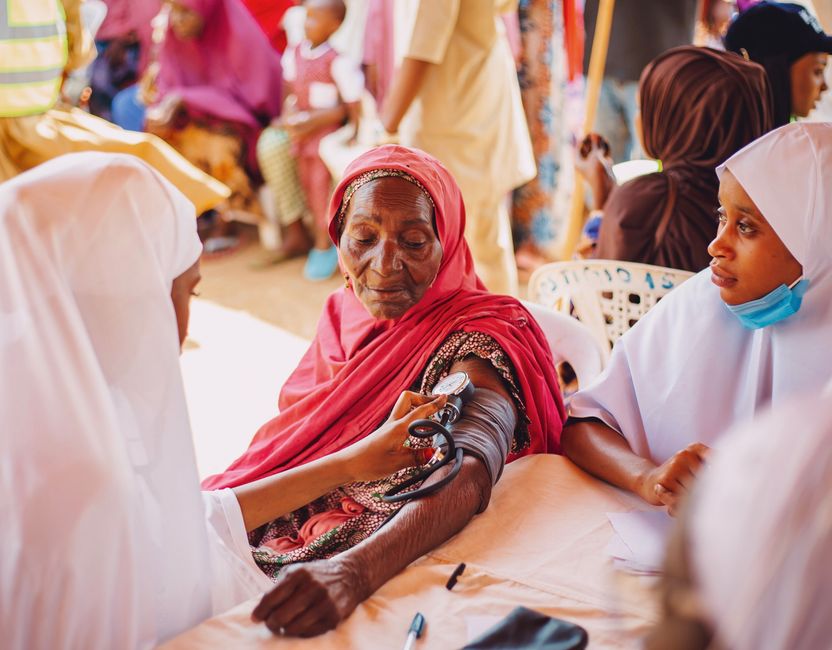
What Medical Science Says About the Limits of Purpose
Scientific studies confirm that people with strong existential purpose often report:
- Lower stress levels
- Better emotional regulation
- More consistent health-positive behaviors (like exercise and eating well)
Yet, these associations are correlational. Purpose does not guarantee protection against heart disease or diabetes, especially when improper diet, lack of medical care, and other risk factors persist. It’s crucial to approach the idea of purpose with balanced expectations.
For example, an individual with a passionate desire to help others—similar to what you might hear on the My Legacy Podcast featuring inspiring stories from the Legacy+ community—may still struggle with managing hypertension or prediabetes. Practicing purpose alongside evidence-based medical care is key.
Bridging the Gap: Purpose and Medical Reality Working Together
So, if purpose alone can’t fill the widening healthspan-lifespan gap, what can? Here are some steps that integrate purpose with practical health management:
- Embrace routine health screenings: Early detection of diseases like diabetes and heart issues is vital.
- Adopt sustainable lifestyle habits: Balanced nutrition, regular physical activity, and adequate sleep support longer healthspan.
- Combine purpose with medical adherence: Taking medications as prescribed and following treatment plans matter profoundly.
- Foster social connections: Whether through community work, volunteerism, or family ties, social support enhances both health and purpose.
Marc Kielburger’s Legacy+ initiative exemplifies this holistic approach—encouraging individuals to leverage social purpose as a complement to self-care, not a substitute.
Sharing Knowledge and Amplifying the Conversation
The conversation about purpose and healthspan is evolving. Platforms like Medical Daily provide up-to-date research analyses to inform the public, while podcasts such as My Legacy Podcast personalize the discussion.
If this topic resonates with you, spread awareness by sharing this article! Use this Twitter share link to let your network know why a purposeful life and good health require both heart and science.
https://bizzmarkblog.com/purpose-ideas-after-retirement-that-do-not-involve-starting-a-business/What This Means for You
Having a strong purpose is undeniably beneficial for mental health and motivation, but it does not guarantee a long, healthy life free from chronic illness. Recognizing the limits of purpose helps maintain balanced expectations and encourages proactive health behaviors alongside meaningful goals.
In essence, your purpose as a driver of wellbeing is powerful—but your healthspan also depends on medical realities like genetics, proactive care, and lifestyle choices. Leveraging purpose within this framework can help you live not just longer, but healthier.